October 8, 2025

Executive summary: Automakers often miss the mark on connected vehicle services because they focus on features drivers expect for free—such as communication and navigation—rather than services that align with consumers’ core values. Escalent’s Connectivity Forward™ research shows drivers are most willing to pay for connected vehicle offerings tied to safety, security and vehicle maintenance. By targeting services that reduce hassle and protect loved ones, OEMs can create connected vehicle solutions that deliver both customer satisfaction and sustainable revenue.
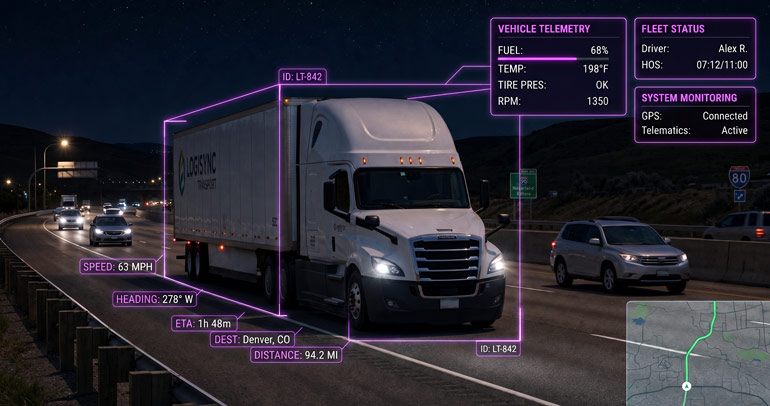
For years, original equipment manufacturers (OEMs) have looked to connected vehicle services as a promising new revenue stream. OEMs have committed significant resources toward apps, embedded navigation and subscription models, with the expectation that consumers would embrace these features. The results, however, have been far from encouraging: adoption has lagged, data sharing concerns persist and, in some cases, new offerings have provoked fierce consumer backlash.
So, it begs the question: where are OEMs going wrong?
Escalent’s latest Connectivity Forward™ Brand Alignment study provides new insight into why automakers’ connected vehicle services strategies may be falling short—and what they can do about it. Now in its third year, this study explores how consumers think and feel about connected vehicle services and, most importantly, which ones they are willing to pay for.
The Consumer Psychology Behind Connected Vehicle Services
To understand how consumers might receive specific connected vehicle services, we began by exploring consumers’ personal values. We asked respondents a series of questions that covers topics such as the importance of caring for loved ones, protecting the environment and balancing privacy with convenience. Based on these insights, we mapped respondents to five key pillars of connected vehicle services adoption, of which four are attitudinal and one is behavioral.

Not all pillars carry equal weight. For instance, 80% of vehicle owners highly align with the Nurture pillar, suggesting a desire for connected vehicle services that prioritize well-being. Almost half (46%) highly align with the Explore pillar, indicating a strong appetite for new experiences and technologies.
By contrast, the Enjoy and Reciprocal Data Sharer pillars represent narrower markets. That doesn’t necessarily diminish their value, though. If a smaller group of consumers is willing to pay a premium for a luxury or high-tech offering, for example, the business case remains strong. For automakers, success depends on identifying where the intensity of demand corresponds with a viable revenue stream—whether through more affordable mass-market offerings or a niche but expensive feature.
Aligning Consumer Attitudes With Business Opportunity
The study’s attitudinal and behavioral pillars show how consumer preferences around connected vehicle services vary between groups. For the purposes of our Connectivity Forward™ Brand Alignment study, we segmented connected vehicle services across 16 feature themes, which range from entertainment (streaming audio, video or games) to productivity tools such as calendar or task list integration.
Based on these segments, we can map each pillar against the 16 feature themes to show which themes matter most to which group. For instance, vehicle owners who align with the Nurture pillar place a high value on connected vehicle features that emphasize safety and security but exhibit less enthusiasm for extras such as concierge services.
The business implications of these findings come into sharper focus when this information is plotted against consumers’ willingness to pay. Interestingly, we found that while some feature themes, such as communication and navigation, attract a lot of consumer interest, very few consumers are willing to pay for them. Automakers have historically invested heavily in these areas, when in reality, most drivers view the features as table stakes. If smartphones can already handle those functions, why would consumers pay an extra fee?
On the other hand, our study found that services tied to safety, security and vehicle maintenance generate both high interest and high willingness to pay. These categories reflect core consumer values and represent promising revenue streams, providing OEMs with the strongest foundation for developing connected vehicle services that drive adoption and growth.
Translating Consumer Values Into Connected Vehicle Services Value
Over the course of this study, our analysis points to a mismatch between industry assumptions and consumer behavior. Many automakers are wasting time on connected vehicle features consumers expect to receive for free, when instead, automakers should be focusing on offerings that reflect the benefits and services drivers really value. Safety and protection for loved ones. Tools that reduce the hassle of maintenance. Streaming services that make time on the road more enjoyable.
The framework in our Connectivity Forward Brand Alignment study—which we customize for specific brands—enables OEMs to target these opportunities with greater precision. By focusing on the emotional drivers behind consumer decisions, our study highlights not just what customers say they like, but what they’ll spend money on.
The strength of this approach lies in the way it connects consumer values to business opportunities for each specific major automaker. Behind every adoption decision lies a complex mix of consumer attitudes and behaviors rooted in deeply held beliefs. When brands connect those dots, they can zero in on the offerings that will stand up under scrutiny—those that deliver customer satisfaction and revenue.
If you would like to learn more about the connected vehicle services your specific customers like and would spend money on, use the form below to send us a note.
Want to learn more? Let’s connect.
About the Connectivity Forward™ Brand Alignment Study
Escalent conducted a survey of 4,476 US vehicle owners by online data collection in May 2025. The sample was drawn from multiple panel source partners. To qualify, respondents had to be owners of new or used vehicles whose primary vehicle must have been purchased within the last five years and they had to have at least 50% of the vehicle purchase decision. The data were weighted by age, gender and vehicle segment ownership. Escalent will supply the exact wording of any survey question upon request.

K.C. Boyce
Vice President, Automotive & Mobility and Energy
K.C. Boyce is a vice president in Escalent’s Automotive & Mobility and Energy industry practices. He works with energy providers and automakers to craft compelling products and programs that accelerate the energy transition. Throughout his career, K.C. has worked across industries and sectors to develop innovative solutions to complex problems and translate subject matter expertise into actionable insight. He is a nationally known speaker on topics such as electric vehicles and solar and was the co-host of the weekly Energy Matters radio show, which won a 2024 Gabby Award from the Georgia Association of Broadcasters for “Best Podcast Series," until the show ended in December 2025. Before joining Escalent, K.C. was senior vice president at Chartwell, where he led industry and consumer research, conference production and marketing. He also served as the Smart Energy Consumer Collaborative’s assistant director, leading its consumer research program. K.C. holds an MBA from Georgia State’s Robinson College of Business and a bachelor’s degree in political science from Colorado College.

Ben Lundin
Insights Director, Automotive & Mobility
Ben Lundin is a former insights director on the Automotive & Mobility team at Escalent.