May 29, 2026
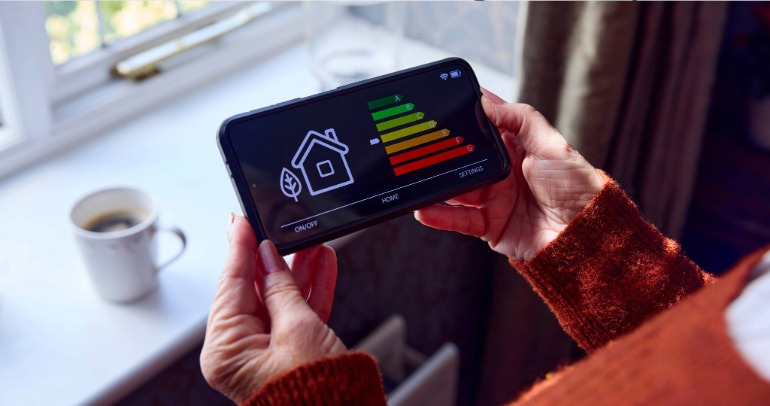
As the global energy sector faces rising demand, grid constraints, and ongoing geopolitical pressure, the future of energy and utilities is being reshaped at light speed. In this edition of Interview with an Expert, Hall & Partners’ Katie Warwick speaks with Managing Director of Escalent’s Energy practice, Chris Montaglione, about the key trends defining energy and utilities in 2026 — from electrification and AI-driven demand to shifting customer expectations and the role of brands in rebuilding trust.
For energy and utility companies, the challenge is no longer just about supply. It’s about helping customers navigate a more complex, more visible, and more expensive energy system, while balancing sustainability, affordability, and reliability.
Looking Ahead: Key Energy and Utilities Trends Shaping 2026
Q1: What are the key energy sector trends shaping the industry right now, and where is the industry least prepared?
Several structural shifts are colliding at once, fundamentally changing how the energy system operates.
- Demand is becoming unpredictable. Electrification is accelerating across EVs, heat pumps, and smart homes, while AI and data centers are adding large, concentrated loads.
- Grid infrastructure is now the bottleneck. In markets like the UK and the United States, connection delays and capacity constraints are slowing down new housing, renewables, and EV rollout.
- System complexity is increasing. More renewables, decentralized energy, and digital infrastructure are improving sustainability but making system balancing more difficult.
At the same time, the global energy crisis (driven by geopolitical instability and supply shocks) continues to put pressure on costs and customer trust. Energy affordability remains a key concern across Europe, the United States and beyond.
The biggest gap today is in the speed of adaptation. Infrastructure, regulation, and operating models were designed for gradual change, not rapid spikes in demand and complexity.
“The system wasn’t built for this level of speed or complexity, and that gap is starting to show.” — Chris Montaglione, EVP, Managing Director, Energy Practice, Escalent
From Energy Supplier to Energy Partner
Q2. What does this mean for energy brands; where is the real opportunity?
When viewed through a customer lens, the opportunity becomes clearer. Energy is no longer invisible. It’s becoming an active part of people’s daily lives.
“Energy is moving from something people pay for in the background to something they actively manage and think about.” — Chris Montaglione, EVP, Managing Director, Energy Practice, Escalent
This creates three major shifts for energy and utility brands:
- From supplier to guide: Brands like Octopus Energy (UK), NextEra Energy (US)and Origin Energy (Australia) are already moving toward advisory roles, helping customers adopt solar, EV tariffs, and smart usage.
- From cost to value: Instead of focusing only on bills, leading brands are reframing energy around outcomes like efficiency, control, and sustainability.
- From transactions to relationships: As engagement increases, there’s more opportunity to build ongoing, trust-based relationships, if the experience feels genuinely helpful.
The challenge is that while customers are being asked to do more (manage usage, adopt new technologies, think about sustainability), the experience hasn’t caught up.
Opportunities and Challenges in Energy and Utilities
Q3. What are the biggest opportunities and challenges facing the sector right now?
The sector is facing a tension between growth, cost, and infrastructure readiness.
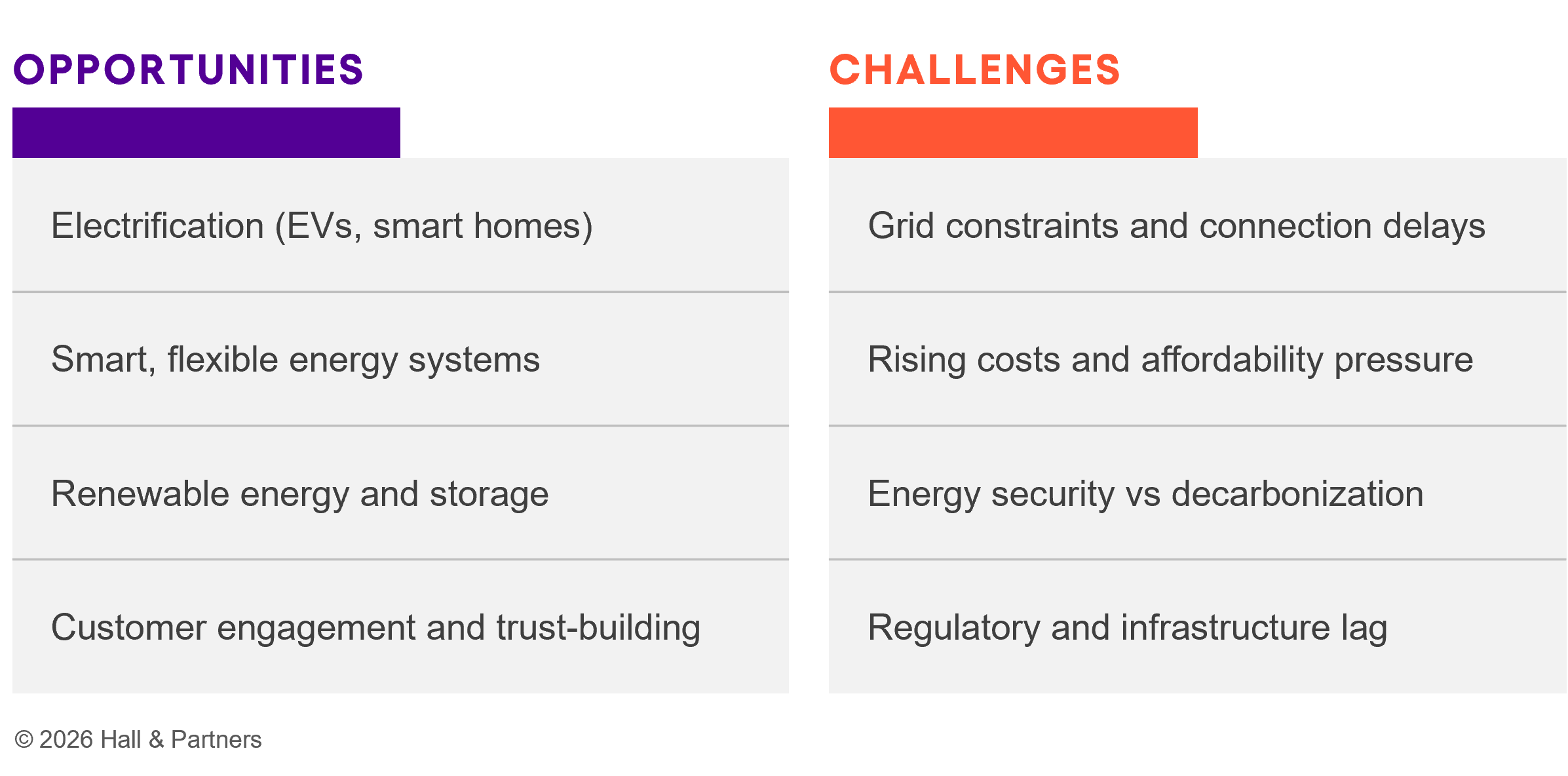
Demand is growing faster than the system can support. Grid constraints are delaying projects across housing, EV infrastructure, and commercial development.
At the same time, brands face pressure to invest heavily while keeping energy affordable, particularly in markets like the UK and United States, where trust has been impacted by price volatility.
“The biggest opportunity isn’t just new technology, it’s rebuilding trust with customers.” — Chris Montaglione, EVP, Managing Director, Energy Practice, Escalent
Shifting Customer Expectations in Energy
Q4. How are energy customer expectations changing and where is the gap?
Customer expectations are evolving quickly, shaped not by utilities but by sectors like banking, retail, and technology.
“Energy brands are no longer being compared to each other—they’re being compared to the best digital experiences customers have anywhere.” — Chris Montaglione, EVP, Managing Director, Energy Practice, Escalent
Customers now expect:
- Real-time visibility into energy usage
- Seamless digital experiences across apps and platforms
- Clear, transparent communication about pricing and sustainability
- Greater control over how energy is used and managed
At the same time, more customers are becoming active participants — installing solar panels, adopting EVs, and using smart home technology.
However, the biggest gap remains simplicity.
From a customer perspective, energy is becoming more complex, but the tools and experiences provided by many utilities are still difficult to navigate. This creates friction across key journeys such as onboarding, billing, and adoption of new technologies.
Brands like E.ON Next (UK) and Enel (Europe) are starting to address this through digital platforms and integrated solutions, but the industry overall still lags behind customer expectations.
The Power of Insights in Energy and Utilities
Q5. Where can insights make the biggest difference?
This is where insights become critical.
Energy and utility brands need to move beyond operational data and develop a deeper understanding of customer behavior and engagement.
Key areas where insights drive value include:
- Understanding how different customer segments adopt technologies like EVs or solar
- Identifying friction points across journeys such as billing, outages, and onboarding
- Measuring how customers perceive value versus cost
- Anticipating future energy and utilities needs rather than reacting to problems
The shift is from reactive to proactive decision-making.
In a rapidly changing energy landscape, brands that use insights to predict behavior and simplify experiences will have a significant competitive advantage.
Final Provocation: What Must the Sector Rethink?
Q6. What is the one thing energy and utility companies must rethink to stay relevant?
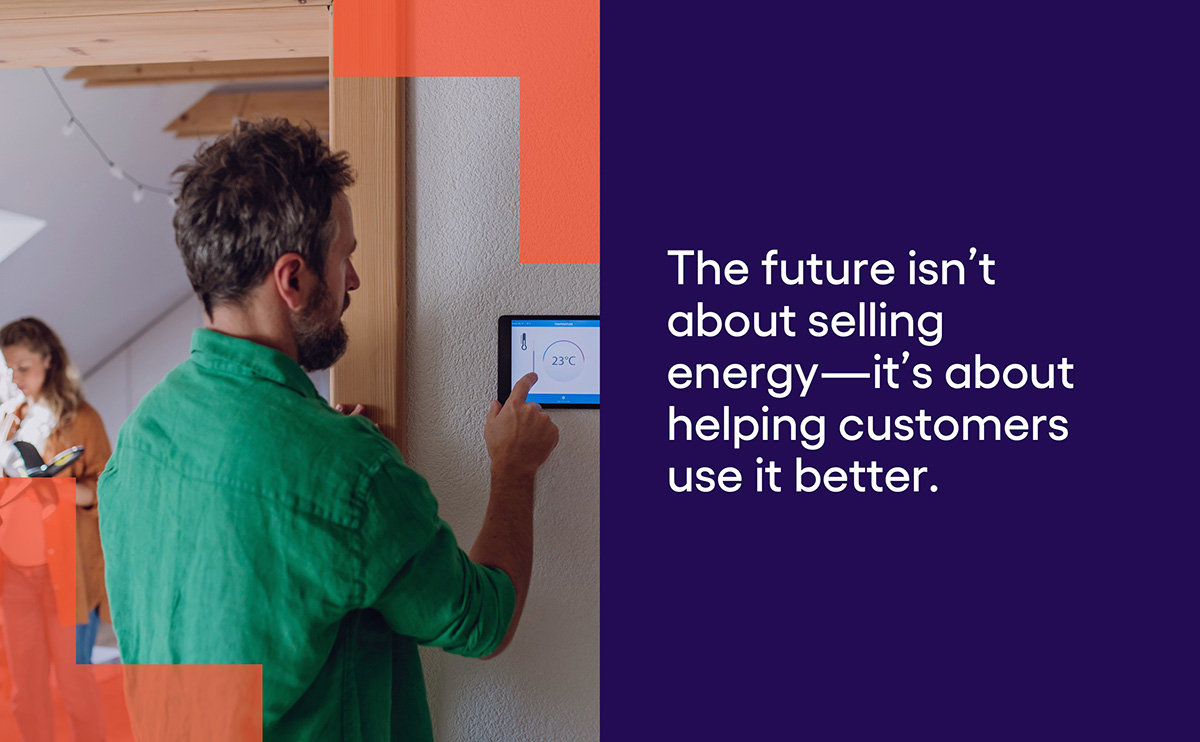
The sector needs to rethink its role in customers’ lives. The traditional model (generate, sell, bill) is no longer enough. The future lies in becoming an energy partner, helping customers manage, optimize, and use energy more effectively.
This includes:
- Energy-as-a-service models
- Integrated solutions combining EVs, storage, and smart home tech
- Platform-based ecosystems connecting multiple services
The key question the sector needs to ask: “How do we help customers use energy better?”
Key Takeaways
- Energy demand is becoming less predictable due to electrification and AI-driven load
- Grid constraints are emerging as a critical barrier to growth
- Customer expectations are rising, driven by digital-first industries
- Trust and simplicity are major opportunities for energy brands
- Insights are key to anticipating behavior and improving experiences
- The future of energy and utilities lies in partnership, not just provision
Conclusion
The future of energy and utilities will be defined by how well the sector adapts to complexity—not just technically, but in how customers experience and navigate energy day to day. As demand grows and systems evolve, energy will become more visible, more personal, and more important in everyday life.
For brands, this creates an opportunity to rethink their role—not just as providers, but as partners helping customers make better energy decisions. At Escalent and Hall & Partners, we see this shift playing out across markets, as leading organizations use insight to simplify experiences, build trust, and create more meaningful customer relationships.
FAQs
Why are energy brands struggling to keep up with customer expectations?
While the system is becoming more complex, the customer experience in utilities is still fragmented. Customers are expected to make smarter energy decisions without being given simple tools to do so.
Where can brands win?
By simplifying decisions. The brands that act as trusted guides — not just providers — will stand out.
What is the biggest disconnect in energy customer experience today?
Customers are expected to manage complex energy decisions, but the experience hasn’t been designed to support that behavior.
What needs to change?
Energy experiences need to feel as simple and intuitive as digital banking or e-commerce: fast, clear, and easy to act on.
Want to learn more? Let’s connect.
Editor’s Note
EXECUTIVE SUMMARY

Chris Montaglione
Managing Director, Energy
Chris Montaglione is Managing Director of Escalent's Energy industry practice and brings more than 35 years of research and consulting experience working with Fortune 500, multinational and international clients across a wide range of industries. He specializes in strategic planning, business environment assessments, employee and customer satisfaction research, market segmentation, competitive positioning, brand development, communications testing, and new product and service evaluation. Chris is known for translating complex research into actionable insights that help senior leaders make informed strategic business decisions.

Katie Warwick
Senior Vice President, Hall & Partners
Katie Warwick is a senior VP with Hall & Partners, an Escalent company. Katie has over 17 years in the market research field, focusing on strategic brand and communications consultancy as well as the translation of insights into action. Her mission is to bridge the gap between people, brands, and businesses, leveraging her expertise in connected data to foster growth. She has honed her ability to uncover and leverage hidden insights from data to inform brand strategy. This has involved working alongside a team of experts to support some of the world's leading brands in their growth ambitions. Her focus on disciplined strategic thinking and marketing research has been instrumental in unlocking new opportunities for our clients. Katie is based in the greater London, England, area and earned a BA in Marketing from the University of Portsmouth.